

Luxury Real Estate Trends: What’s Hot This Year
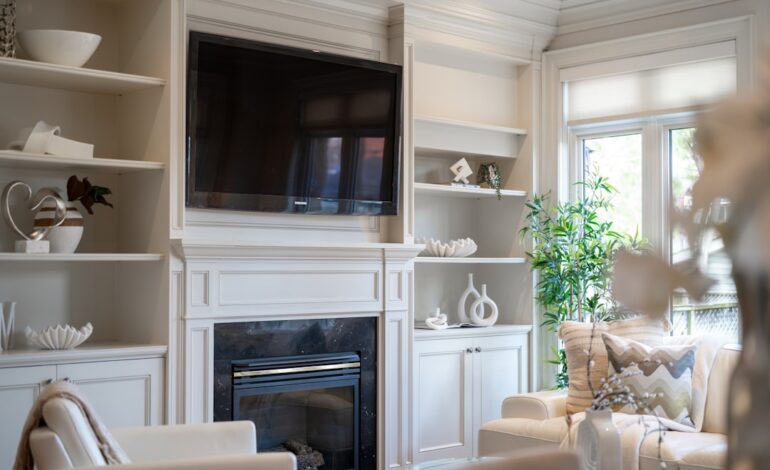
The landscape of luxury real estate is a dynamic one, constantly evolving to meet the sophisticated demands of its discerning clientele. As we navigate through the current year, a confluence of shifting priorities, technological advancements, and global economic currents are shaping what truly defines “hot” in this high-value market. Understanding these trends is not merely about identifying superficially appealing features, but about recognizing the deeper lifestyle aspirations and investment philosophies of today’s affluent buyer.
The concept of “wellness” has transcended the spa and the gym, firmly embedding itself into the fundamental architecture and design of luxury homes. This is no longer an afterthought or an optional amenity; it is a core expectation. Buyers are actively seeking properties where their health and well-being are not just accommodated, but actively promoted by the very structure and systems of the residence.
Dedicated Wellness Sanctuaries
This manifests in the creation of meticulously designed spaces dedicated to personal well-being. Think of dedicated yoga and meditation rooms, outfitted with natural light, calming acoustics, and perhaps even integrated biofeedback systems. Home gyms are no longer basic rooms with treadmills; they are sophisticated personal fitness centers designed for varied regimes, incorporating everything from resistance training equipment to recovery tools such as infrared saunas and cryotherapy chambers. The integration of nature is also paramount, with indoor-outdoor flow designed to seamlessly bring natural light and fresh air into these wellness zones.
Biophilic Design Principles
Underpinning this trend is the growing adoption of biophilic design principles. The incorporation of natural elements, patterns, and processes into the built environment is proving to have a profound impact on mental and physical health. This includes abundant natural light, the presence of indoor plants, the use of natural materials like wood and stone, and designs that foster a connection to the outdoors through large windows, balconies, and accessible green spaces.
Air and Water Purity Systems
Beyond aesthetics and dedicated spaces, buyers are increasingly scrutinizing the foundational elements of health within their homes, namely air and water quality. Advanced air purification systems, often integrated into the HVAC, are becoming standard, filtering out pollutants and allergens. Similarly, sophisticated water filtration and purification systems are in demand, ensuring the highest quality water for drinking, cooking, and bathing. These are seen as essential components of a health-conscious lifestyle.
Respite and Rejuvenation Zones
The modern luxury home is also being designed with dedicated zones for relaxation and mental rejuvenation. This can include sensory rooms designed to reduce stress, quiet reading nooks bathed in natural light, or even dedicated sleep sanctuaries optimized for rest and recovery. The emphasis is on creating environments that actively support a restorative lifestyle in contrast to the often demanding pace of life for affluent individuals.
As the luxury real estate market continues to evolve, understanding the intricacies of designations and certifications can significantly impact both buyers and sellers. For instance, the article on why the MAI designation matters provides valuable insights into how this credential can enhance the expertise of real estate professionals, ultimately benefiting clients in their transactions. To learn more about the importance of this designation and how it relates to current luxury real estate trends, you can read the article here: Why MAI Designation Matters: What Clients Should Know.
Sustainability as a Standard: The Eco-Conscious Core
The notion of sustainable luxury has irrevocably shifted from a niche consideration to an indispensable characteristic. For today’s affluent buyer, environmental responsibility is not a charitable act; it is an integral part of ethical consumption and sound investment strategy. The expectation is that luxury properties will actively contribute to a reduced environmental footprint.
Integrated Renewable Energy Solutions
Solar panels are no longer an optional upgrade; they are an expected feature, often seamlessly integrated into the rooflines or facade for aesthetic appeal. Geothermal heating and cooling systems are also gaining significant traction, offering highly efficient and environmentally friendly climate control. The emphasis is on leveraging natural resources to minimize reliance on fossil fuels.
High-Performance Building Envelope
The building envelope itself is being engineered for maximum efficiency. This includes superior insulation, advanced window technologies that minimize heat transfer, and the use of materials with low embodied energy. The goal is to create homes that are inherently energy-efficient, reducing operational costs and environmental impact without compromising on comfort or luxury.
Green Building Certifications
Formal certifications such as LEED (Leadership in Energy and Environmental Design) and BREEAM (Building Research Establishment Environmental Assessment Method) are increasingly sought after. These certifications provide a verifiable framework for assessing a property’s environmental performance, offering buyers assurance and demonstrating a commitment to sustainability from the developer.
Water Conservation Technologies
Water is a precious resource, and luxury homes are reflecting this reality through advanced water conservation technologies. This includes low-flow fixtures, rainwater harvesting systems for landscape irrigation, and greywater recycling systems that repurpose water from sinks and showers for non-potable uses.
Electric Vehicle Infrastructure
The rise of electric vehicles necessitates dedicated charging infrastructure. Luxury homes are increasingly featuring built-in charging stations for electric vehicles, often multiple stations, catering to the needs of residents and guests alike. This reflects a forward-thinking approach to sustainable transportation.
Evolving Family Dynamics: The Rise of Multigenerational Living

Shifting societal norms and economic considerations are driving a renewed interest in multigenerational living. High-net-worth families are increasingly valuing the flexibility and shared experience that come with housing multiple generations under one roof, or in close proximity. This trend necessitates thoughtful architectural planning to balance shared living with individual privacy.
Flexible Floor Plans for Adaptability
The core of multigenerational living lies in adaptable floor plans. This means homes designed with the ability to accommodate various life stages and needs. Open-concept living areas for communal gathering are balanced with the provision of private retreats. The emphasis is on creating spaces that can evolve as family needs change.
Dedicated Guest Houses and In-Law Suites
A common feature of this trend is the inclusion of separate guest houses or self-contained in-law suites. These provide independent living spaces for grandparents, adult children, or other relatives, offering them autonomy while maintaining close familial ties. These suites often include their own kitchens, bathrooms, and living areas.
Connected but Independent Living
The ideal scenario often involves a primary residence and additional attached or detached dwellings that allow for both connection and independence. This might include a main house with a connected apartment, or a principal estate with separate casitas or guest cottages. The architectural design prioritizes shared common areas while ensuring clear boundaries and private entrances.
Accessibility Features for All Ages
As families bring together a wider age range, accessibility is becoming a crucial consideration. This includes features like zero-step entries, wider doorways, and the potential for future installation of elevators or stairlifts. The aim is to create a home that can comfortably accommodate individuals of all mobility levels.
Communal Outdoor Spaces and Amenities
Beyond the internal layout, the design of communal outdoor spaces becomes important. This could include shared gardens, recreational areas, or outdoor kitchens that encourage family interaction and shared experiences. The goal is to foster a sense of togetherness within a structured and respectful living environment.
The Brand as a Seal of Quality: Branded Residences Take Center Stage

A significant and rapidly growing segment of the luxury real estate market is the branded residence. These developments represent a powerful synergy between the caché of world-renowned hospitality, fashion, or lifestyle brands and the tangible asset of a luxury home. Buyers are drawn to the promise of quality, service, and an aspirational lifestyle intrinsically linked to the brand’s identity.
Partnerships Across the Luxury Spectrum
The scope of these partnerships is broad. We see collaborations with top-tier hotel groups like Four Seasons, Ritz-Carlton, and Mandarin Oriental, offering residents access to their signature services, amenities, and impeccable standards of hospitality. Beyond hospitality, fashion and design houses such as Armani and Porsche are lending their design philosophies and brand recognition to residential projects, creating unique living experiences.
Unparalleled Service and Amenities
The allure of branded residences lies in the unparalleled level of service and amenities they offer. Residents often have access to a dedicated concierge team, private dining, housekeeping, room service, and exclusive access to hotel facilities such as spas and fitness centers. This level of service elevates the living experience beyond that of a traditional luxury home.
A Global Phenomenon with Regional Dominance
While the concept is global, certain regions are experiencing particularly explosive growth. The Middle East, with its burgeoning wealth and appetite for ultra-luxury, is a prime market. Southeast Asia, with its growing affluent populations and a desire for international lifestyle standards, is also seeing significant development. Europe, with its rich history and established luxury brands, continues to be a strong contender.
Investment and Lifestyle Convergence
For many buyers, branded residences represent a convergence of investment and lifestyle. They are perceived as sound financial assets, often benefiting from the established reputation and management of their parent brand, which can command premium resale values and rental yields. Simultaneously, they offer a lifestyle that is both aspirational and conveniently managed.
Differentiated Design and Exclusive Experiences
Each branded residence strives to offer a unique design aesthetic and exclusive experiences that reflect the ethos of its partner brand. This might include interiors designed by renowned architects affiliated with the brand, curated art collections, or exclusive events and programming for residents. The goal is to create a living environment that is not just luxurious, but also distinctive.
As the luxury real estate market continues to evolve, understanding the various factors that influence property values is essential for both buyers and sellers. A recent article discusses how valuation services play a crucial role in supporting every stage of real estate transactions, providing insights that can help navigate the complexities of the market. For more information on this topic, you can read about it in detail here. Staying informed about these trends can significantly impact investment decisions in the luxury sector.
The Shifting Tectonic Plates: Geographic Realignment and Ultra-Luxury Strength
“`html
| Location | Median Price | Price Increase | Popular Features |
|---|---|---|---|
| New York City | 3,500,000 | 8% | Central Park views, high-end amenities |
| Los Angeles | 2,800,000 | 6% | Ocean views, smart home technology |
| Miami | 2,200,000 | 10% | Waterfront access, luxury outdoor spaces |
| London | 4,000,000 | 5% | Historic architecture, private gardens |
“`
The very geography of luxury real estate is undergoing a notable recalibration. While certain established hubs continue to maintain their prestige, others are rapidly ascending, attracting significant investment and redefining inventory leadership. This geographic shift, coupled with the enduring strength of the ultra-luxury segment, paints a nuanced picture of the current market dynamics.
Miami Surpasses New York in Million-Dollar Listings
A striking development is Miami’s metro area surpassing New York by the end of 2025 in terms of active million-dollar listings. With 10,513 active listings compared to New York’s 9,216, Miami is demonstrating a significant surge in high-value property inventory, indicating robust demand and development in the Sunshine State. This shift reflects a growing appeal for warmer climates, lifestyle amenities, and potentially more favorable tax environments.
Consistent Growth in the Top 1%
Despite fluctuations in broader market conditions, the ultra-luxury segment, defined here by properties with a threshold of $5.6 million, is showing remarkable resilience and consistent growth. This sector has experienced renewed strength, with consistent upward momentum sustained over five consecutive months. This indicates that the wealthiest buyers remain actively engaged in the market, seeking out the most exclusive and high-value properties.
Technology and Sustainability Driving Millennial and Gen-X Demand
The influence of younger generations of wealth, namely millennials and Gen-X buyers, is increasingly shaping market trends. These demographic groups prioritize properties that align with their values, which often include a strong focus on technology and sustainability. They view their luxury homes not just as residences, but as lifestyle statements and astute financial investments. Smart home integration, energy-efficient systems, and a commitment to eco-friendly construction are therefore key drivers of demand within this demographic.
Privacy and Security as Essential Infrastructure
The wealthy are increasingly viewing their properties as essential lifestyle infrastructure, with a pronounced emphasis on privacy and security. This translates into heightened demand for gated estates, private compounds, and properties that offer a secluded and secure environment. The desire for personal space and protection is a paramount consideration, influencing the types of properties and locations that are most sought after.
Co-Ownership Models Enhancing Accessibility
For those looking to acquire second homes or vacation properties in the luxury market, co-ownership models are emerging as a practical solution. These arrangements allow multiple owners to share the responsibility and cost of high-value properties. This not only makes luxury second homes more accessible to a wider group of individuals but also helps to minimize maintenance costs and operational complexities associated with sole ownership. The focus is on shared access and optimized resource utilization.
FAQs
What are the current trends in luxury real estate this year?
Some current trends in luxury real estate this year include smart home technology, sustainable and eco-friendly features, wellness amenities, and outdoor living spaces.
Which locations are popular for luxury real estate investment this year?
Popular locations for luxury real estate investment this year include urban areas with vibrant cultural scenes, coastal regions with waterfront properties, and exclusive gated communities with privacy and security.
What are some popular amenities in luxury real estate properties this year?
Some popular amenities in luxury real estate properties this year include private spas, home theaters, wine cellars, rooftop gardens, and infinity pools.
What are the key factors driving the luxury real estate market this year?
Key factors driving the luxury real estate market this year include low interest rates, high demand for luxury properties from high-net-worth individuals, and the desire for spacious and private homes due to the COVID-19 pandemic.
How has the COVID-19 pandemic impacted luxury real estate trends this year?
The COVID-19 pandemic has impacted luxury real estate trends this year by increasing the demand for properties with home offices, outdoor spaces, and wellness amenities, as well as driving interest in suburban and rural luxury properties.