

How to Price Your House Right to Sell Fast
As a seasoned property appraiser, I understand the delicate balance involved in pricing a home effectively. My experience observing market dynamics and the psychology of buyers and sellers has consistently shown that a well-considered price is the cornerstone of a swift and successful sale. This article aims to provide a pragmatic guide, grounded in current market realities and future projections, to help you price your house right for a faster sale.
The real estate market is a dynamic entity, constantly influenced by economic factors, interest rate shifts, and evolving buyer preferences. As we look towards 2026 and beyond, certain trends are becoming increasingly apparent. Ignoring these can lead to significant missteps in pricing and, consequently, a prolonged selling period. A data-driven approach is not merely advantageous; it is essential for navigating this environment effectively.
The Shadow of Overpricing
One of the most common and detrimental mistakes a seller can make is to set an asking price that is too high. This is often driven by emotional attachment to the property, a misunderstanding of market value, or a desire to “test the waters” with an optimistic figure. However, this strategy is rarely successful in the long run.
Reduced Showings and Buyer Interest
When a property is overpriced, it immediately struggles to attract potential buyers. Real estate websites and agent platforms highlight properties that fall within a buyer’s budget or search parameters. An overpriced listing will likely be filtered out by many prospective buyers, significantly limiting the pool of individuals who even consider viewing your home. This lack of initial interest creates a ripple effect, signaling to the market that the property may be undesirable or overpriced.
Extended Market Time
Consequently, an overpriced home will languish on the market for an extended period. Days on market are a critical metric. Buyers, especially informed ones who are actively tracking the market, will notice a property that has been listed for weeks or months without substantial activity. This perception of being “stale” can breed skepticism.
The Inevitability of Price Reductions
As time passes and the property remains unsold, sellers often feel pressured to reduce the price. However, a series of price cuts can be more damaging than a single, well-thought-out initial price. Each reduction can signal desperation and further erode buyer confidence. Buyers, armed with market data, will likely wait for subsequent reductions, anticipating an even lower price. This can lead to accepting offers that are below the property’s true market value.
The Power of Data-Driven Pricing
In stark contrast to speculative pricing, a data-driven strategy offers a scientific and objective approach to determining the optimal asking price. This method relies on quantifiable information rather than guesswork.
Comparable Sales (Comps)
The bedrock of any appraisal is the analysis of comparable sales. These are properties that have recently sold in your immediate neighborhood and share similar characteristics with your home. Factors considered include:
- Location: Proximity to amenities, school districts, and neighborhood desirability.
- Size: Square footage of the main living area, lot size.
- Condition and Features: Age of the property, recent renovations (kitchen, bathrooms), quality of finishes, number of bedrooms and bathrooms, presence of a garage, basement, or outdoor living spaces.
- Sale Date: The more recent the sale, the more relevant it is in reflecting current market conditions.
Appraisers will typically look at sales within the last three to six months. Adjustments are made for any differences between your property and the comparables. For instance, if a comparable home sold for $500,000 and yours has a newly renovated kitchen while the comparable’s was original, your home’s value would be adjusted upwards.
Active and Pending Listings
While sold data is crucial, understanding active and pending listings provides insight into current market competition and buyer sentiment.
- Active Listings: These are properties currently on the market. They represent the competition your home will face. An analysis of active listings helps identify pricing trends, popular features, and prevailing price points for similar homes in the area. If there are many similar homes on the market at a certain price, it suggests a more competitive environment.
- Pending Listings: These are properties that have received an offer and are currently under contract, awaiting closing. Pending sales are excellent indicators of immediate market value, as they reflect what buyers are currently willing to pay. They are often considered more current than closed sales, especially in a rapidly shifting market.
Local Buyer Demand and Absorption Rates
Understanding the local market’s “health” is vital. This is often gauged by buyer demand and absorption rates.
- Buyer Demand: This refers to the level of interest from potential buyers in a specific area. High demand generally translates to a seller’s market, where properties tend to sell quickly and often above asking price. Low demand indicates a buyer’s market, where sellers may need to be more flexible with pricing and negotiations. Indicators of high demand include a low inventory of homes and a high volume of showings.
- Absorption Rate: This metric calculates how long it would take to sell all the currently listed homes at the current rate of sales. It is typically expressed in months. A low absorption rate (e.g., under 4 months) signifies a seller’s market, while a high absorption rate (e.g., over 6 months) indicates a buyer’s market. An absorption rate between 4 and 6 months is generally considered a balanced market. Knowing your local absorption rate can help you gauge how quickly your home is likely to sell at a given price point.
Property Condition and Hyper-Local Factors
The objective condition of your home is a significant determinant of its value.
- Condition: A home in excellent condition, with modern updates and no immediate repair needs, will command a higher price than a property that requires significant work. Conversely, a home in need of repairs might be priced accordingly, appealing to investors or DIY-minded buyers. Be realistic about what your home offers in comparison to others.
- Hyper-Local Factors: This refers to very specific attributes of your immediate neighborhood. These can include:
- Proximity to desirable amenities: Parks, trendy restaurants, shopping districts, public transportation.
- Noise levels: Proximity to highways, airports, or busy commercial areas.
- Views: Scenic vistas can significantly increase a property’s appeal.
- Street appeal: The overall attractiveness of the street and its immediate surroundings.
- School district quality: A highly-rated school district can be a major draw for families and impact resale value.
When considering how to price your house right to sell fast, it’s essential to understand the broader context of real estate transactions and the qualifications of your real estate agent. A related article that delves into the significance of agent designations is available at Why MAI Designation Matters: What Clients Should Know. This resource highlights the importance of working with a qualified professional who can provide valuable insights into market trends and pricing strategies, ultimately helping you achieve a quicker sale at a favorable price.
Navigating the 2026 Market Outlook
Forecasting future market conditions requires careful consideration of established trends and emerging economic indicators. While precise predictions are impossible, understanding the likely trajectory can inform your pricing strategy today.
Modest Home Price Appreciation
Projections for 2026 suggest a continued, albeit modest, rise in home prices. Estimates typically range from 1% to 2.2% annual appreciation. This is a significant shift from the more rapid appreciation seen in previous years.
Implications for Sellers
This moderated growth means that aggressively overpricing your home will be even less effective. Buyers, facing higher mortgage rates and more stable price increases, will be less tolerant of inflated asking prices. The “wait and see” approach will be more pronounced.
The Importance of Competitive Pricing
To sell fast in this environment, your pricing needs to be competitive from the outset. A price that accurately reflects current market value, with perhaps a slight margin for negotiation, will attract more immediate interest than a price that relies on future market appreciation to justify its high level.
Mortgage Rates and Buyer Selectivity
Mortgage rates are a fundamental driver of housing demand. For 2026, rates are anticipated to hover around 6.3%. While this may be lower than peaks seen in recent times, it still represents a significant increase from historic lows.
The Impact of Higher Rates on Affordability
Higher mortgage rates directly impact a buyer’s affordability. A buyer who could afford a certain loan amount at a lower rate will qualify for a smaller loan at a higher rate, thus reducing their purchasing power. This means buyers will be more discerning about what they can afford and what features they prioritize to maximize their investment.
Increased Competition from New Builds
As the market stabilizes and developers gain more confidence, new construction is expected to increase. New homes often come with attractive features, modern designs, and potentially builder incentives. This can create direct competition for existing homes.
Pricing Against New Construction
When pricing your home, you must consider the value proposition of new homes in your area. If new builds offer comparable or superior features at a competitive price, your home’s price needs to be adjusted accordingly. This doesn’t necessarily mean pricing below new construction, but rather ensuring your asking price reflects the value buyers place on your home’s specific advantages and disadvantages compared to a brand-new property.
The Off-Season Advantage: Pricing for Strategic Sales
The real estate market traditionally experiences seasonal fluctuations. While your home’s inherent value is not seasonal, the timing of its listing can significantly impact buyer activity and, consequently, your ability to sell quickly.
Understanding Seasonal Demand
Typically, spring and early summer are considered the peak selling seasons, characterized by higher inventory and more buyers actively searching. However, this also means more competition for sellers. The off-seasons – late fall and winter – often see reduced inventory but also a more motivated pool of buyers.
Pricing in the Off-Season
In the off-season, if you are motivated to sell, pricing your home aggressively can be a strategic advantage. While there may be fewer buyers, the buyers who are actively looking are often those with a pressing need to move (e.g., relocation, life changes). These buyers are more likely to act quickly if a property meets their criteria and is priced attractively.
Capitalizing on Less Competition
By pricing your home competitively or even slightly below comparable properties in the off-season, you can attract the attention of these motivated buyers who might otherwise overlook your listing during the busier spring market. This can lead to a faster sale and potentially a less protracted negotiation process.
Leveraging Modern Tools for Precise Pricing
The advent of technology, particularly artificial intelligence and real-time data analytics, is revolutionizing how properties are priced. These tools offer a level of precision and insight previously unattainable for the average seller or even many real estate agents.
The Rise of AI in Real Estate Pricing
Artificial intelligence and sophisticated algorithms are increasingly being used to analyze vast datasets and generate more accurate property valuations.
AI-Powered Valuation Models
These models go beyond simple Automated Valuation Models (AVMs) by incorporating a wider array of data points, including:
- Market sentiment analysis: Gauging online chatter and trends.
- Neighborhood demographic shifts: Understanding population changes and income levels.
- Property-specific data: Details about renovations, upgrades, and even the architectural style.
- Economic indicators: Unemployment rates, inflation, and interest rate forecasts.
AI can process this complex information more rapidly and identify subtle market trends that might be missed through traditional methods. This can lead to a more nuanced and accurate price estimation.
Predictive Analytics for Market Trends
AI tools can also provide predictive analytics, offering insights into future market movements and potential price adjustments. This capability allows sellers to position their property strategically, anticipating future demand and competition.
Real-Time Data and Targeting Strategies
The availability of real-time data is transforming the speed and accuracy of pricing decisions.
Access to Live Market Data
Modern real estate platforms and professional tools provide access to live data on listing activity, price changes, and buyer inquiries. This “real-time pulse” of the market allows for agile pricing adjustments.
- Tracking Competitors: You can monitor competitor price changes instantly.
- Monitoring Showing Data: Understanding which properties are generating the most interest.
- Analyzing Offer Activity: Gauging the intensity of buyer interest in comparable properties.
Data-Driven Targeting for Buyers
This rich data can also be used to understand who potential buyers are, where they are coming from, and what they are looking for. This allows for more targeted marketing efforts, which can indirectly influence the perceived value of your home and attract the right buyers more quickly.
The Psychology of Affordability and Online First Impressions
In today’s market, the interplay between buyer affordability and the initial impression a property makes online is paramount for achieving a swift sale. Sellers who understand these dynamics are better positioned for success.
Wages Outpacing Prices: A Boost for Buyer Power
While home price appreciation is projected to be modest, what’s encouraging for many buyers is the potential for wage growth to outpace these increases.
Improving Affordability Metrics
If wages rise more quickly than home prices, it can lead to improved housing affordability for a segment of the population. This means more buyers might be able to enter the market or upgrade their homes.
Concentrated Demand from Motivated Buyers
This demographic of buyers, now more financially capable, will be actively seeking properties. For sellers, this translates to a potentially larger pool of genuinely interested buyers. To capture this demand, your pricing needs to align with their increased purchasing power and perceived value.
The Dominance of Online First Impressions
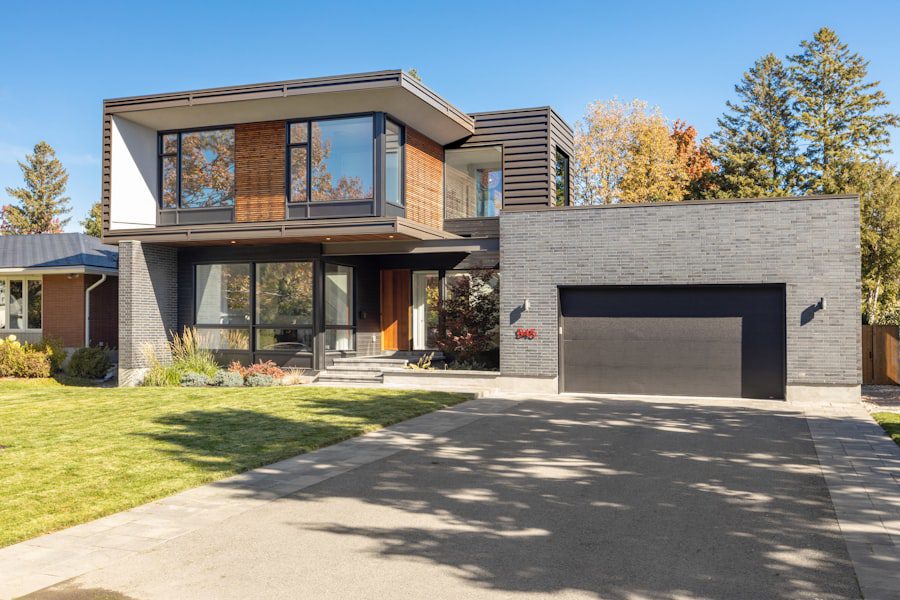
In the digital age, the first interaction most potential buyers have with your property is online. The quality of these initial impressions can significantly influence whether they decide to schedule a viewing.
High-Quality Photography and Videography
Professional, high-resolution photography and videography are non-negotiable. This includes:
- Well-lit interiors: Showcasing the space to its fullest potential.
- Staging: Presenting the home in an appealing, uncluttered manner.
- Drone footage: Offering an aerial perspective of the property and its surroundings.
- Virtual tours: Allowing buyers to “walk through” the home remotely.
Compelling Listing Descriptions
The written description accompanying your listing is equally important. It should be:
- Detailed and accurate: Highlighting key features and benefits.
- Enthusiastic but factual: Evoking a positive impression without exaggeration.
- Targeted: Appealing to the likely buyer demographic for your home.
- Keyword-rich: Using terms that buyers are likely to search for.
The Connection Between Online Appeal and Price Perception
A property that looks stunning online, with professional visuals and a compelling description, creates a positive initial perception of value. This online appeal can make buyers more receptive to the asking price, making them more inclined to schedule a showing and engage in negotiations. Conversely, a poorly presented online listing can create a negative impression, leading buyers to believe the home is not worth the asking price, regardless of its actual market value.
Pricing to Capture Early Interest
With the understanding of improved buyer affordability and the critical role of online first impressions, sellers should price their homes to capture immediate interest.
The “Sweet Spot” Pricing Strategy
Instead of starting high and hoping for the best, aim to price your home at the very top of its realistic market value, or even slightly below if the market conditions warrant it. This “sweet spot” pricing strategy aims to:
- Attract widespread attention: Your listing will appear in more buyer searches.
- Generate multiple showings quickly: Increased activity signals demand.
- Encourage competitive offers: If multiple interested buyers emerge, they may compete against each other, potentially driving the final sale price higher.
Avoiding the Pitfall of “Testing the Market”
“Testing the market” with an inflated price rarely works. It leads to extended market time, a need for price reductions, and often results in a lower sale price than if the home had been priced correctly from the beginning. In today’s discerning market, buyers are sophisticated and have access to ample data. They will quickly recognize an overpriced property.
When considering how to price your house right to sell fast, it can be beneficial to understand broader market trends that may influence property values. For instance, an insightful article discusses the 2026 market outlook and the trends impacting commercial property values on the East Coast. By exploring such information, you can gain a better perspective on how various factors might affect your home’s pricing strategy. To read more about these trends, check out this related article.
The Appraiser’s Final Advice: Objective Valuation is Key
| Factors | Importance | Impact |
|---|---|---|
| Market Conditions | High | Affects demand and competition |
| Comparable Sales | High | Helps determine fair market value |
| Home Condition | Medium | Affects perceived value |
| Location | Medium | Affects desirability |
| Pricing Strategy | High | Affects buyer interest |
As an appraiser, my role is to provide an objective and unbiased valuation of a property. This objective viewpoint is precisely what is needed when pricing a home for sale.
Your Home’s True Market Value
Your home has a market value that is determined by what a willing buyer will pay and what a willing seller will accept, with both parties acting knowledgeably, prudently, and without undue duress. This value is not determined by your personal attachment, your hopes for the future, or what you owe on the property.
Seeking Professional Guidance
While this article provides a comprehensive overview, consulting with experienced real estate professionals and, if necessary, obtaining a pre-listing appraisal can provide invaluable insights. A seasoned appraiser or agent can offer an objective assessment based on the most current market data and their understanding of local conditions.
The Long-Term Benefit of a Correct Price
Pricing your house right from the start is not about selling it for the lowest possible amount; it’s about selling it efficiently and for its true market value. A correctly priced home will attract more buyers, generate more interest, lead to fewer days on the market, and ultimately, a more favorable and less stressful selling experience. In a market that demands precision and realism, an objective, data-driven pricing strategy is the most effective path to a fast and successful sale.
FAQs
1. Why is pricing your house right important for selling it fast?
Pricing your house right is important for selling it fast because it attracts more potential buyers and increases the likelihood of receiving competitive offers. Overpricing can deter buyers, while underpricing can result in a loss of potential profit.
2. What factors should be considered when determining the right price for your house?
When determining the right price for your house, factors such as the current market conditions, comparable sales in the area, the condition of your property, and any unique features it may have should be taken into consideration.
3. How can a real estate agent help in pricing your house right to sell fast?
A real estate agent can help in pricing your house right to sell fast by conducting a comparative market analysis, providing insights into current market trends, and leveraging their expertise to accurately price your property based on its unique attributes and the local market.
4. What are the risks of overpricing your house when trying to sell it fast?
The risks of overpricing your house when trying to sell it fast include deterring potential buyers, prolonging the time your property stays on the market, and potentially having to reduce the price later, which can signal to buyers that there may be issues with the property.
5. How can staging and presentation impact the perceived value of your house when pricing it to sell fast?
Staging and presentation can impact the perceived value of your house when pricing it to sell fast by enhancing its appeal to potential buyers. A well-staged and presented property can create a positive first impression, potentially justifying a higher asking price and attracting more offers.